
Measuring Accuracy
Baking Measurement Guides (Page 2)
Why the same cup of flour weighs differently every time, and what to do about it: measuring technique, ingredient weight, and the math behind the converter.
Showing 13–24 of 25 posts
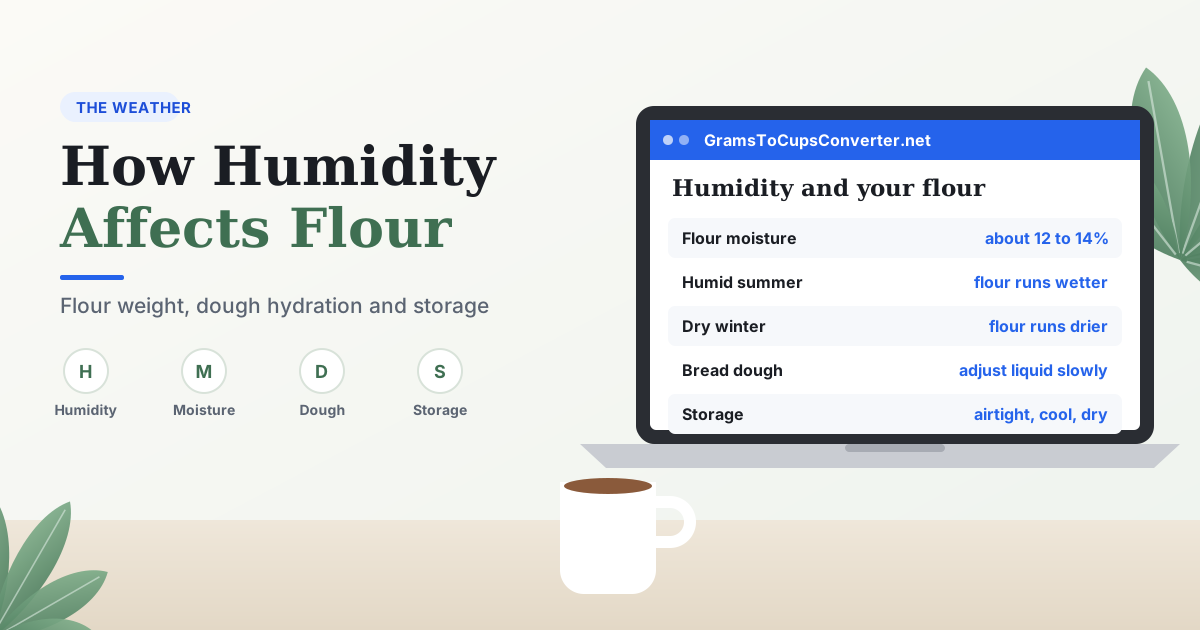
The weather
How Humidity Affects Flour Weight, Dough and Baking Measurements
Humidity changes flour's moisture a little and its cup weight only slightly, but it can change how wet a dough feels. What to adjust, and what to ignore.
flour drinks the air Read the guide → 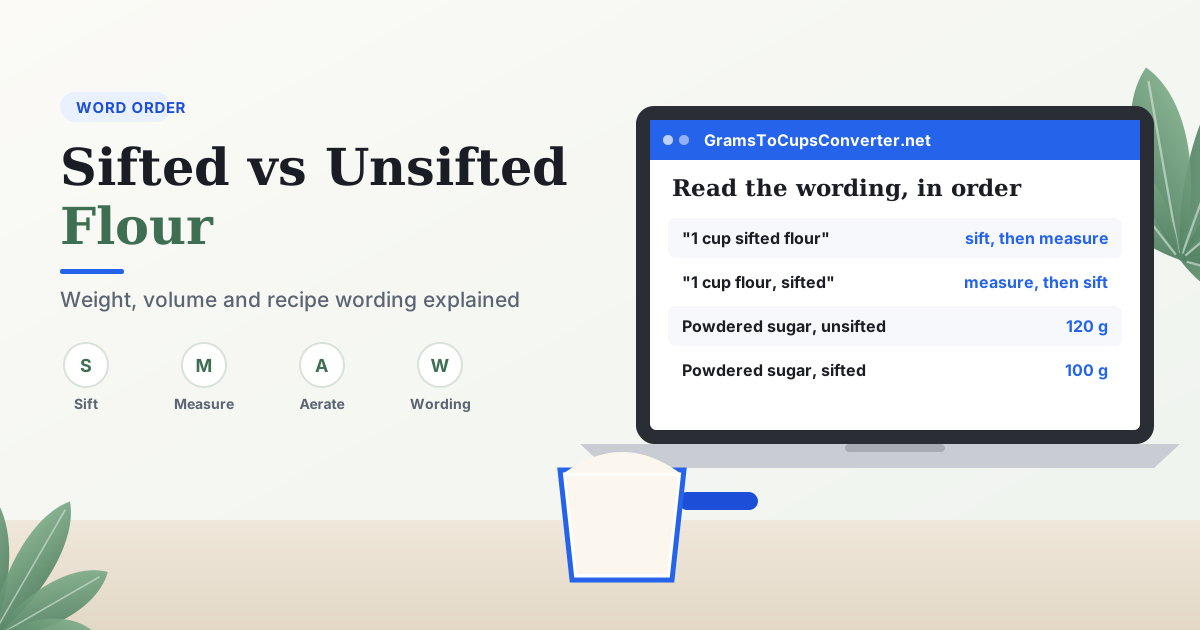
Word order
Sifted vs Unsifted Flour: Weight, Volume and Recipe Wording Explained
Sifted flour weighs less per cup than unsifted flour. Learn what "1 cup sifted flour" and "1 cup flour, sifted" mean, and whether sifting changes grams.
"1 cup sifted" vs "1 cup, sifted" Read the guide → 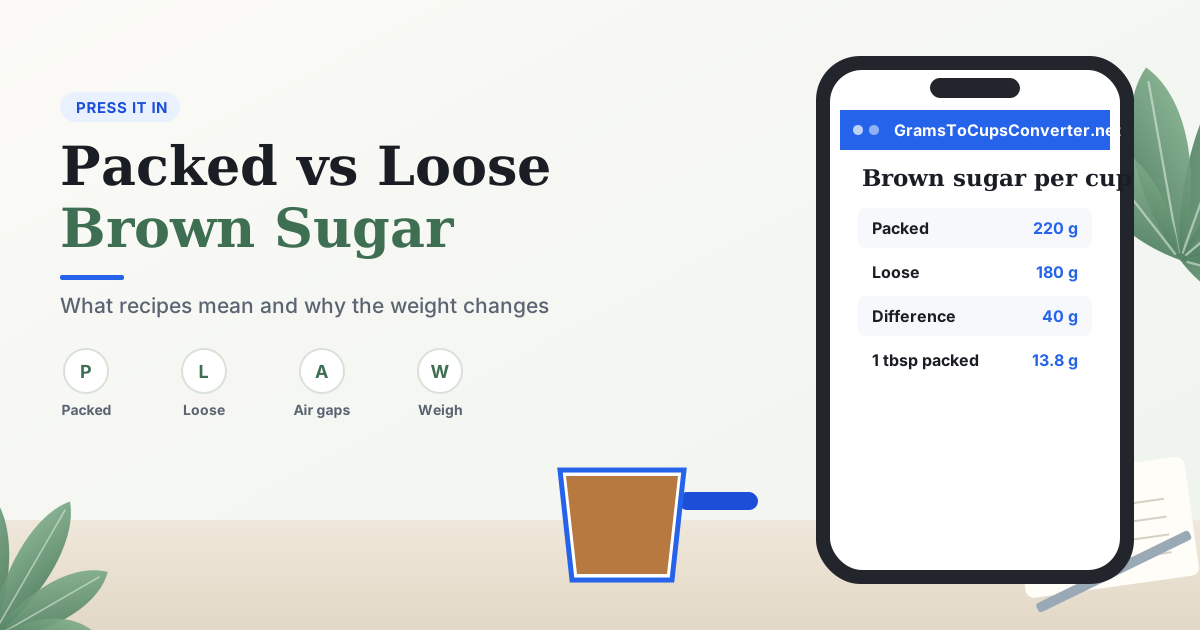
Press it in
Packed vs Loose Brown Sugar: What Recipes Mean and Why Weight Changes
Packed brown sugar is pressed into the cup until it holds its shape: 220 g per US cup vs about 180 g loose. How to read recipe wording and measure it.
220 g packed, 180 g loose Read the guide → 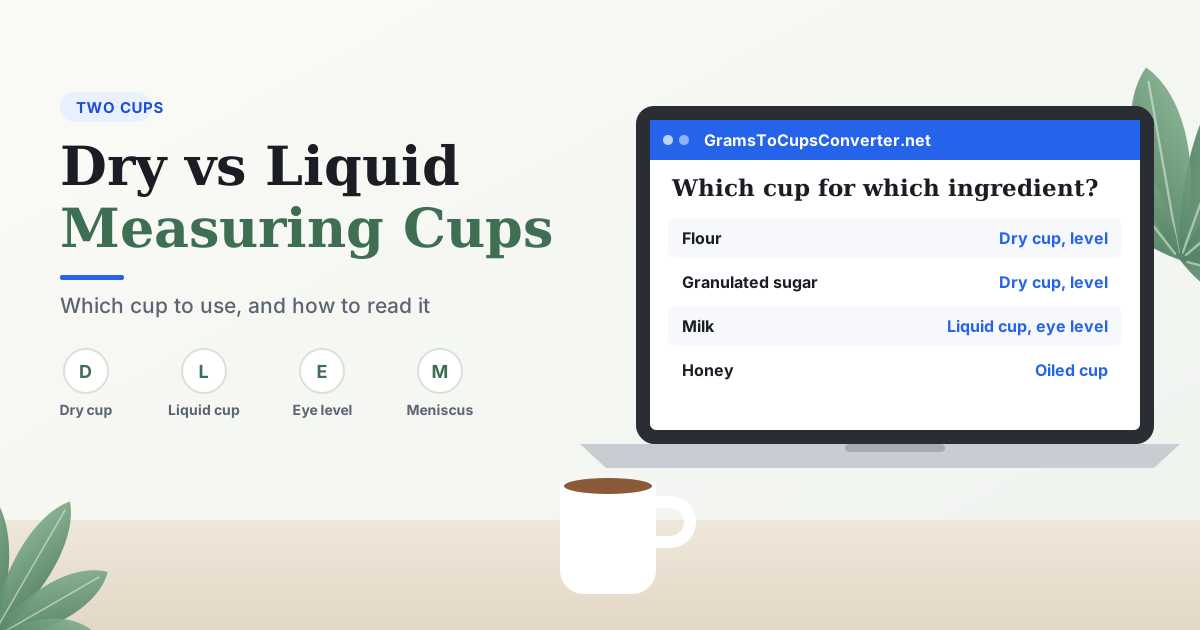
Two cups
Dry vs Liquid Measuring Cups: Differences, Accuracy and When to Use Each
Dry and liquid measuring cups hold the same volume but are filled and read differently. Learn which to use for flour, sugar, milk, oil, honey, and syrup.
same volume, different job Read the guide → 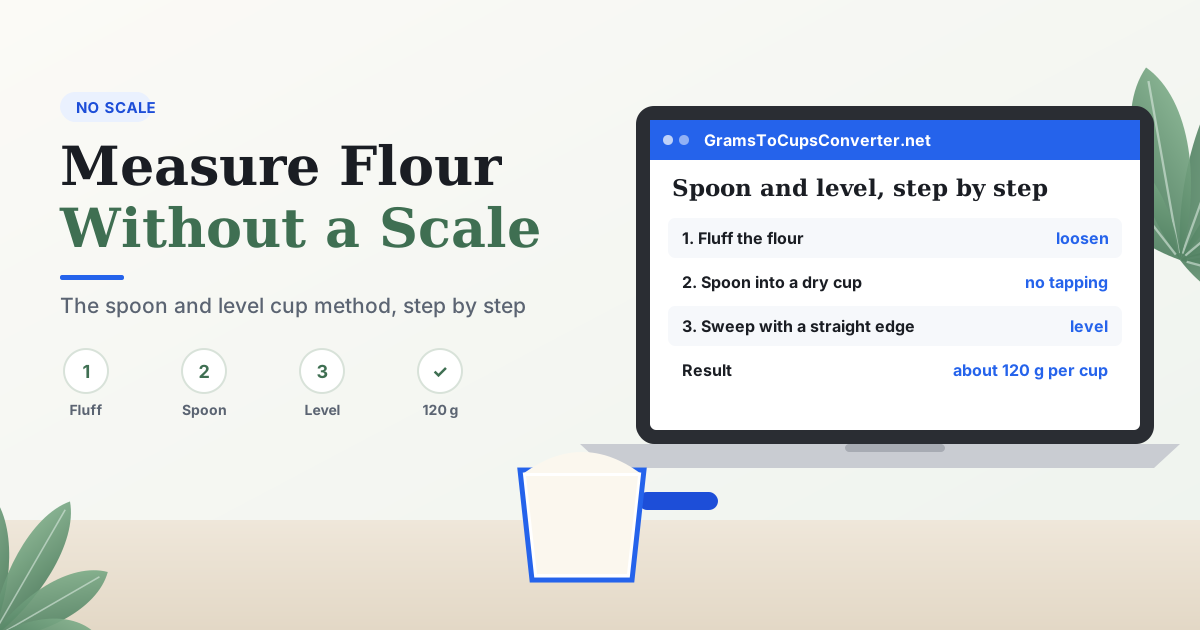
No scale
How to Measure Flour Without a Scale: The Most Accurate Cup Method
Measure flour without a scale: fluff it, spoon it into a dry cup, and level with a straight edge for about 120 g per cup of all-purpose flour, step by step.
fluff, spoon, level Read the guide → 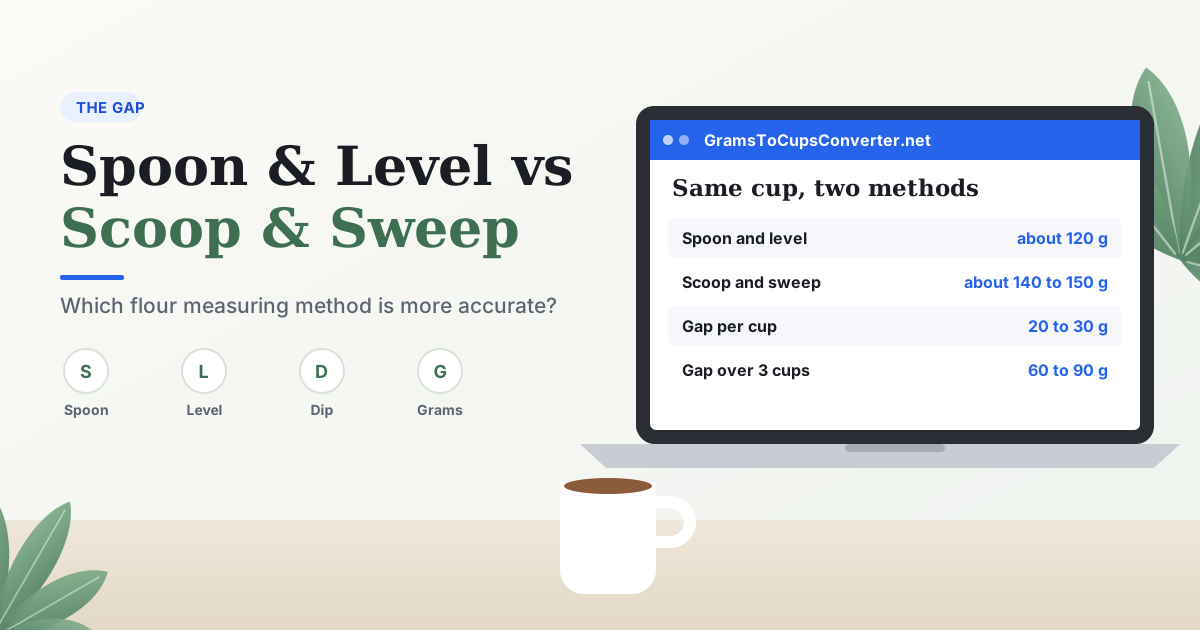
The gap
Spoon and Level vs Scoop and Sweep: Which Flour Measuring Method Is More Accurate?
Spoon and level vs scoop and sweep: how each flour method works, why a scooped cup runs 20 to 30 g heavier, and which to use for the recipe in front of you.
same cup, 20 to 30 g apart Read the guide → 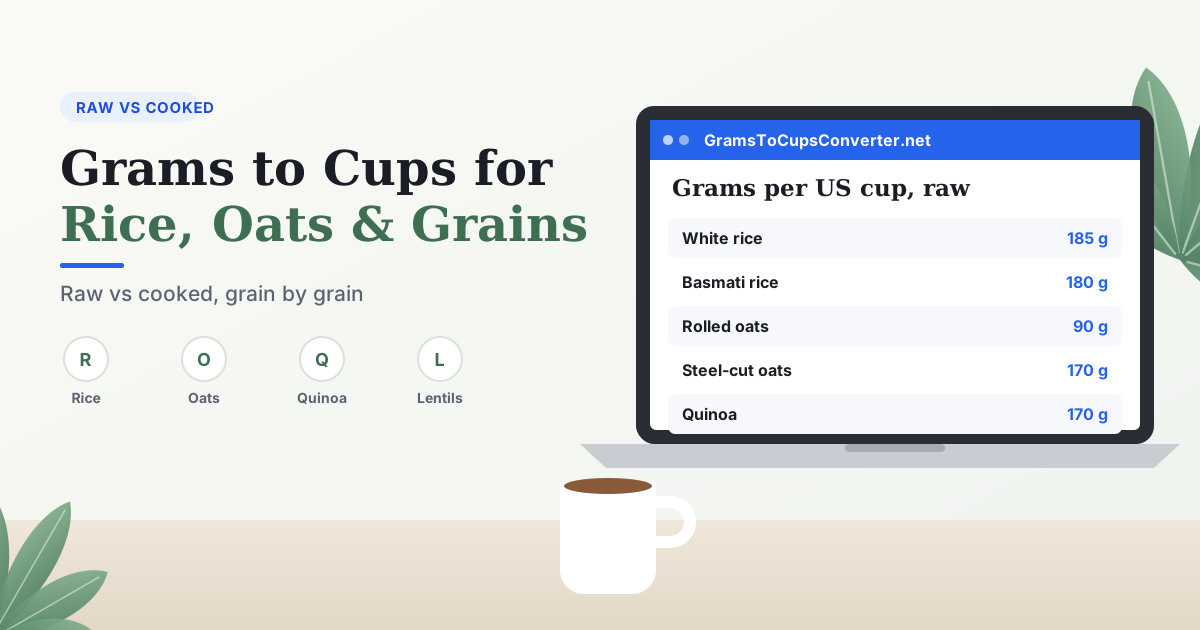
Raw vs cooked
Grams to Cups for Rice, Oats and Grains: Raw vs Cooked Conversion Guide
How to convert rice, oats, quinoa, lentils, and other grains between grams and cups, why raw and cooked amounts differ, and how to measure grains consistently.
rice 185 g, oats 90 g Read the guide → 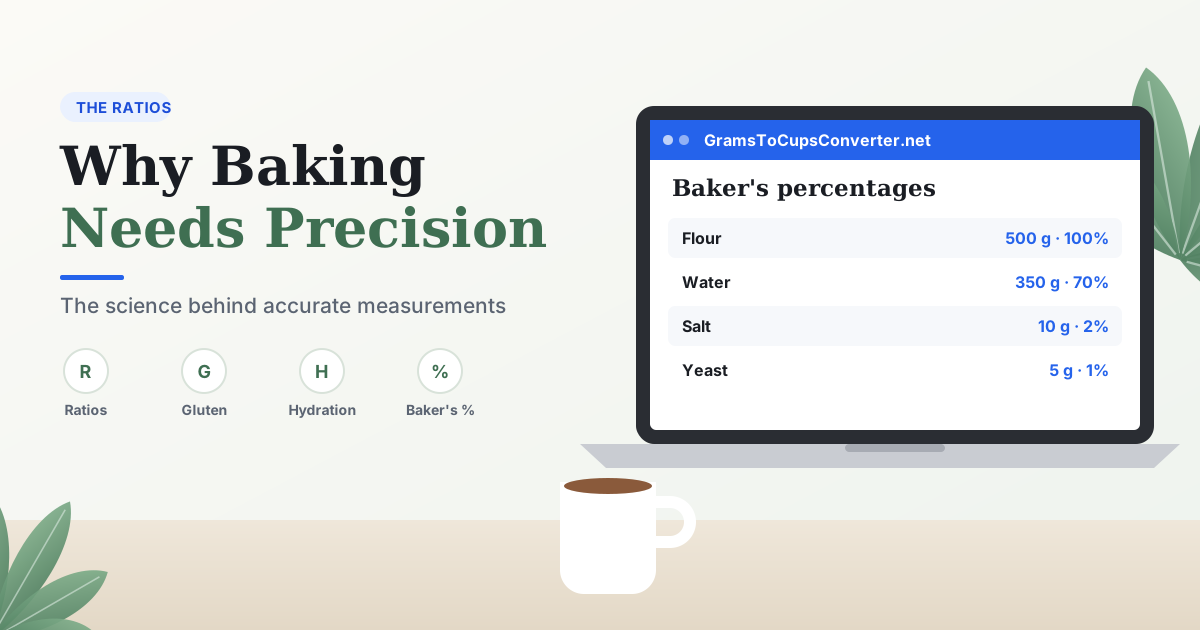
The ratios
Why Baking Needs Precision: The Science Behind Accurate Measurements
Why baking depends on accurate measurements: how flour, water, sugar, fat, leavening, and salt ratios shape a bake, how errors add up, and how baker's percentages help.
70% hydration, not 56% Read the guide → 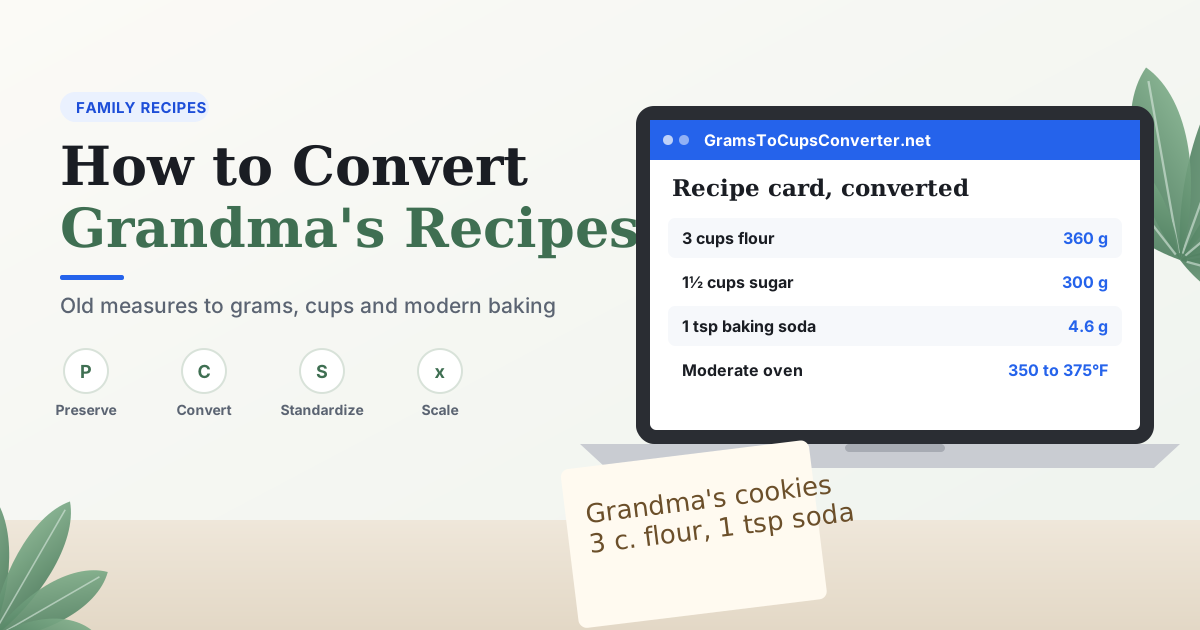
Family recipes
How to Convert Grandma's Recipes: Old Measurements, Grams, Cups and Modern Baking
Turn handwritten family recipes into modern measurements: decode old terms, pick the right cup, convert each ingredient to grams, and test a standardized version.
1 c. flour, decoded Read the guide → 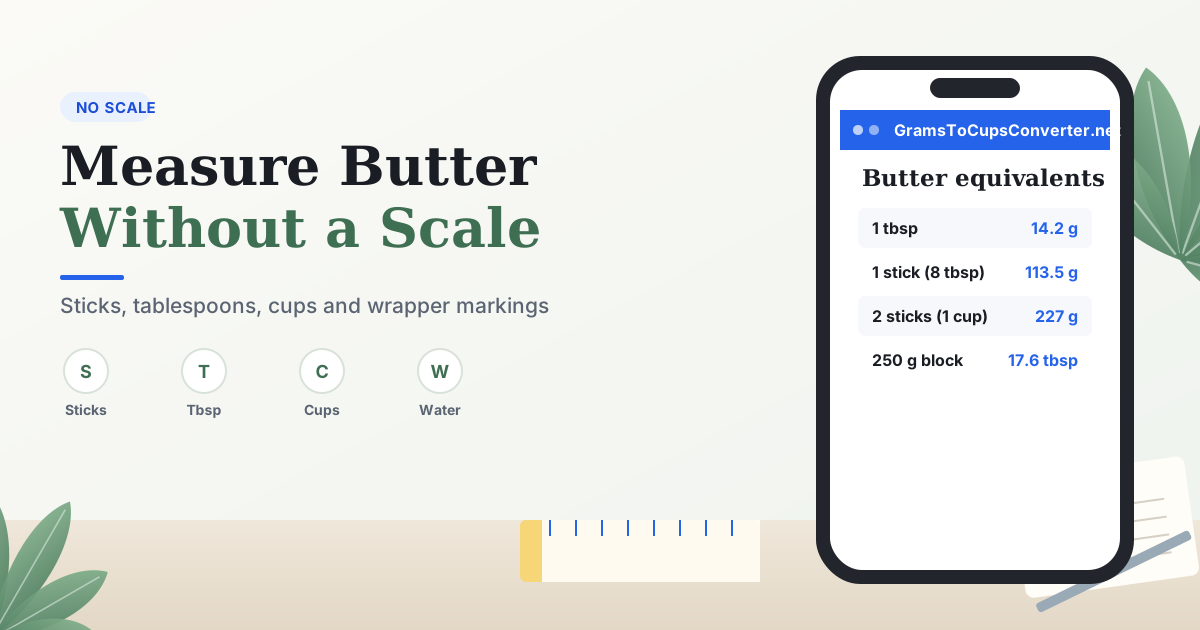
No scale
How to Measure Butter Without a Scale: Cups, Sticks, Tablespoons and Markings
Measure butter without a scale using wrapper markings, US sticks, tablespoons, cups, and water displacement, plus how to handle 250 g blocks and melted butter.
1 stick = 8 tbsp = 113.5 g Read the guide → 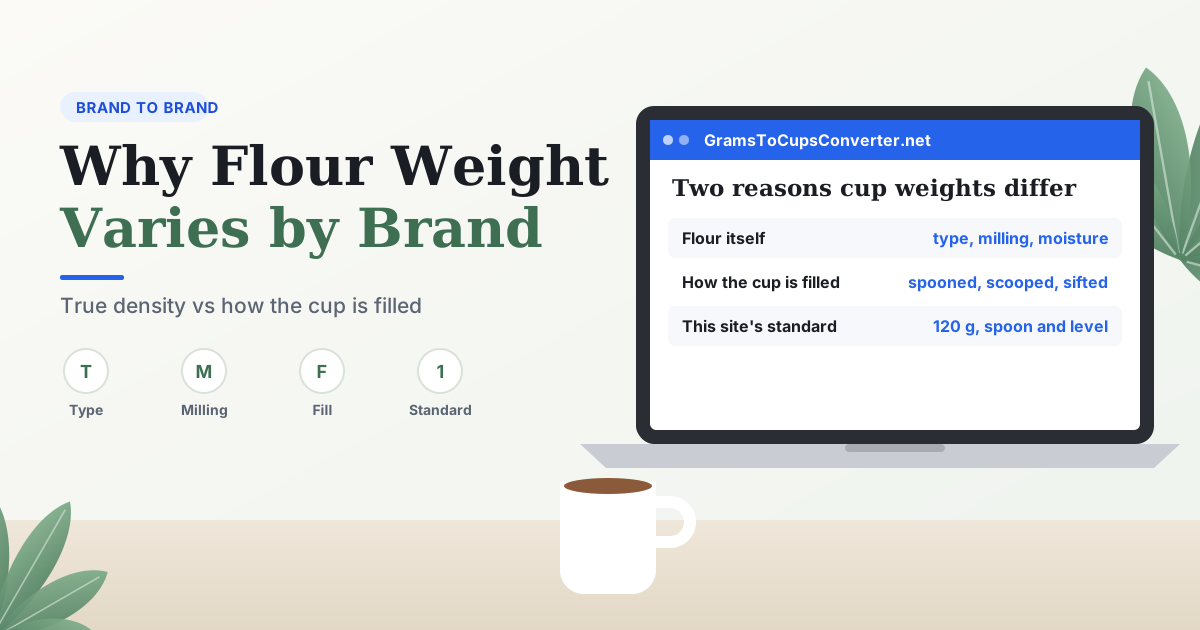
Brand to brand
Why Flour Weight per Cup Varies Between Brands and Measuring Methods
Why one cup of flour weighs 120 g in one source and 136 g in another: real density differences, fill-method differences, and which number to trust.
same cup, different bag Read the guide → 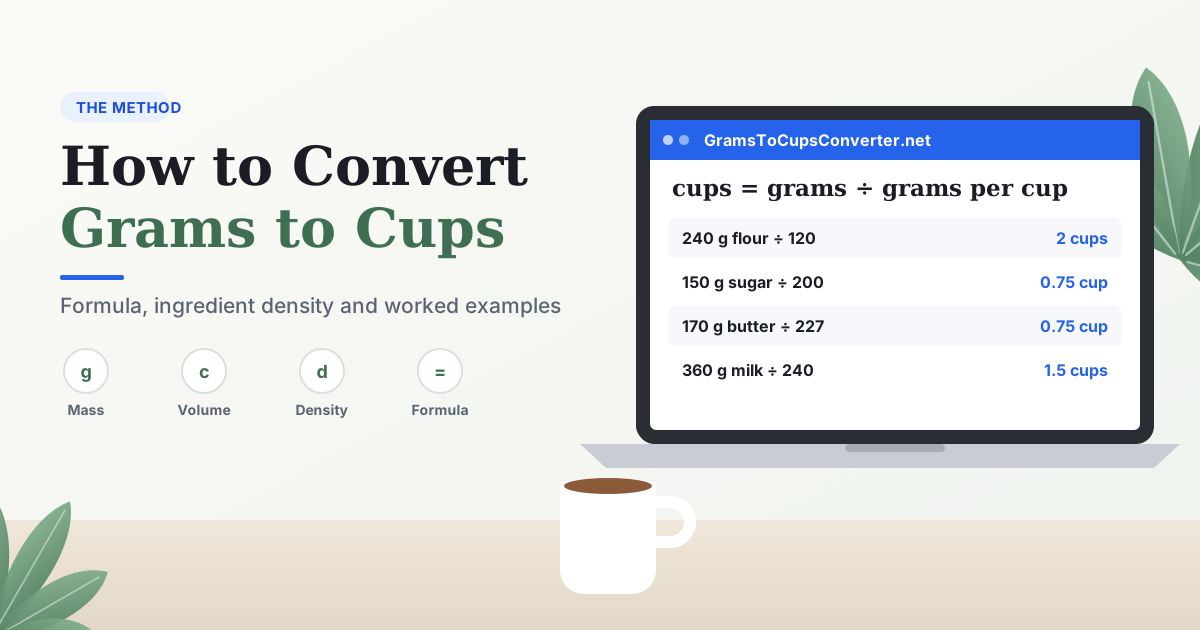
The method
How to Convert Grams to Cups: Formula, Ingredient Density and Examples
Learn the grams to cups formula, why every ingredient needs its own grams per cup value, and how to convert flour, sugar, butter, and liquids step by step.
cups = grams ÷ grams per cup Read the guide →