
Measuring Accuracy
Baking Measurement Guides
Why the same cup of flour weighs differently every time, and what to do about it: measuring technique, ingredient weight, and the math behind the converter.
Showing 1–12 of 25 posts
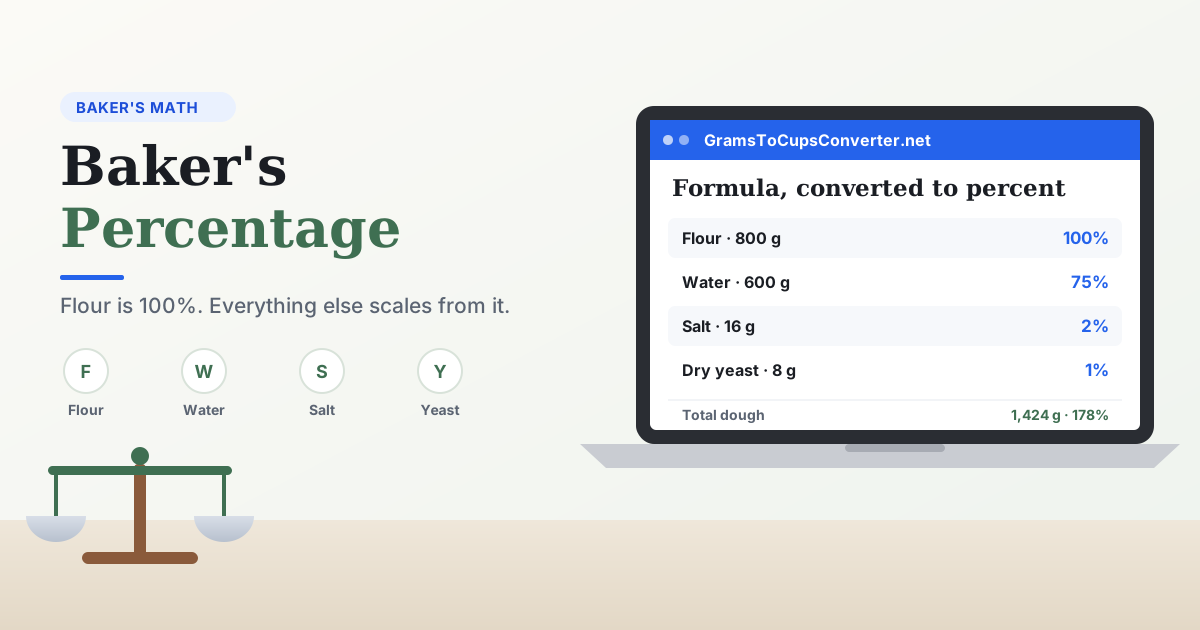
Baker's math
Baker's Percentage Explained: How to Scale Baking Formulas by Weight
Baker's percentage explained: flour is 100%, every other ingredient is a percent of flour weight. Formulas, hydration, salt, yeast, and worked bread examples.
flour = 100%, always Read the guide → 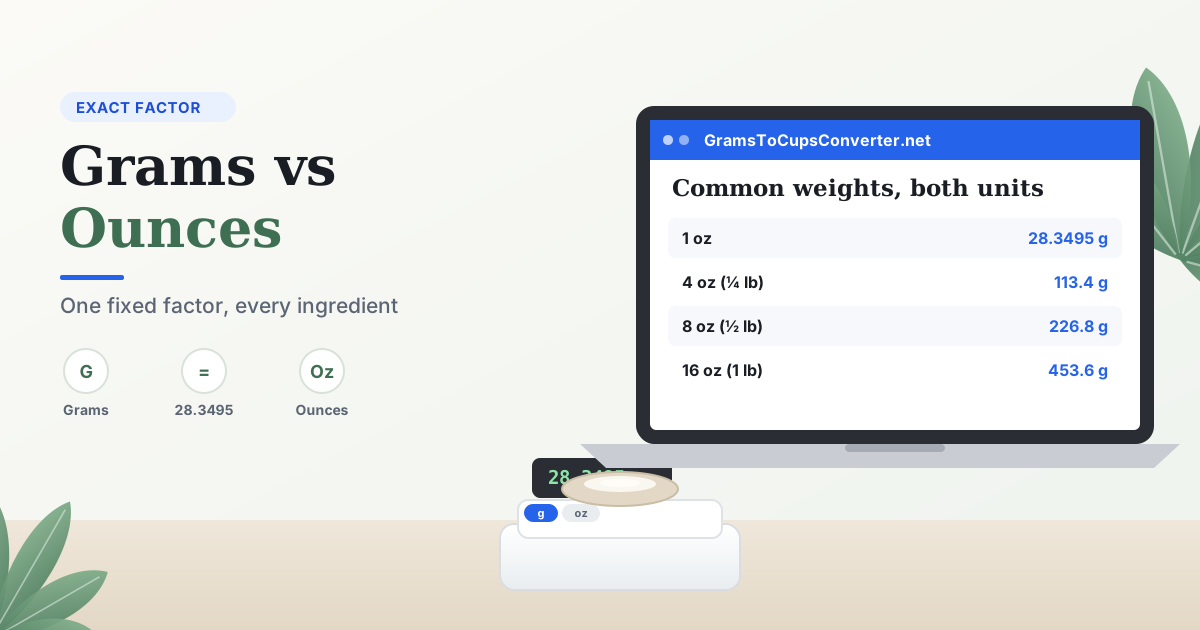
One fixed factor
Grams vs Ounces for Baking: Conversion, Precision & When to Use Each
Grams and ounces both measure weight. See the exact 28.3495 g factor, worked conversions in both directions, and why grams give bakers finer precision.
1 oz = 28.3495 g, every time Read the guide → 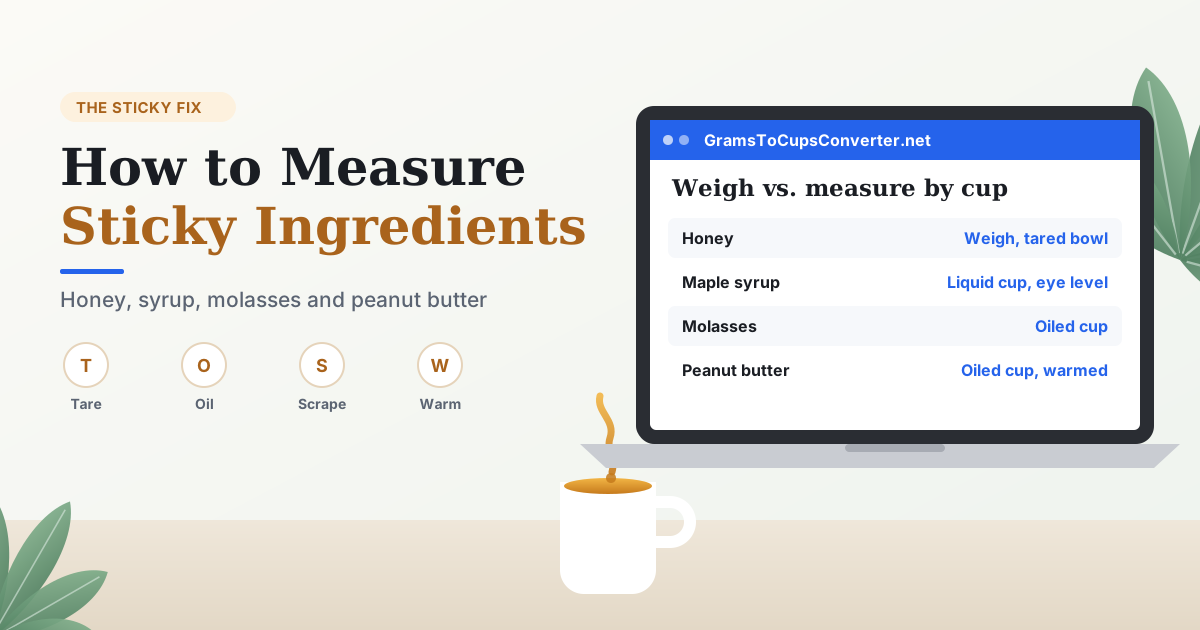
The sticky fix
How to Measure Sticky Ingredients: Honey, Syrup, Molasses & Peanut Butter
Measure honey, maple syrup, molasses, and peanut butter without wasted mess: the tared-scale method, plus the oil-coating trick for measuring by cup.
3 tbsp honey ≈ 64 g Read the guide → 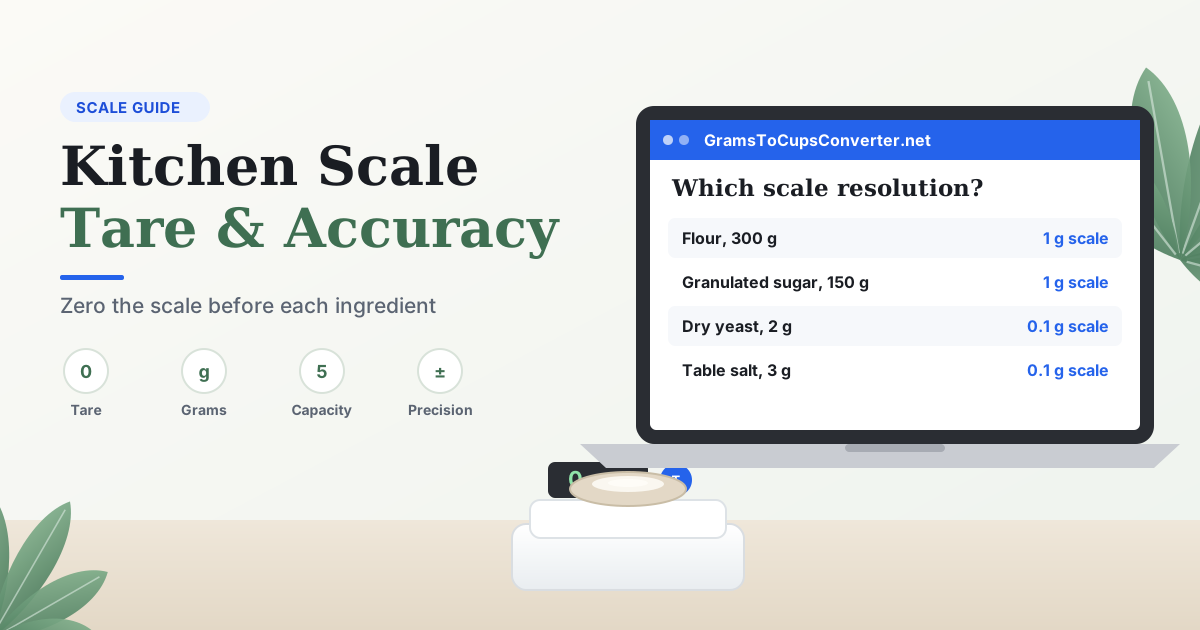
The tare method
How to Use a Kitchen Scale for Baking: Tare, Grams & Accuracy
How to use a digital kitchen scale for baking: surface setup, grams vs ounces, the tare workflow, scale capacity, resolution, and fixing bad readings.
zero the bowl, add, repeat Read the guide → 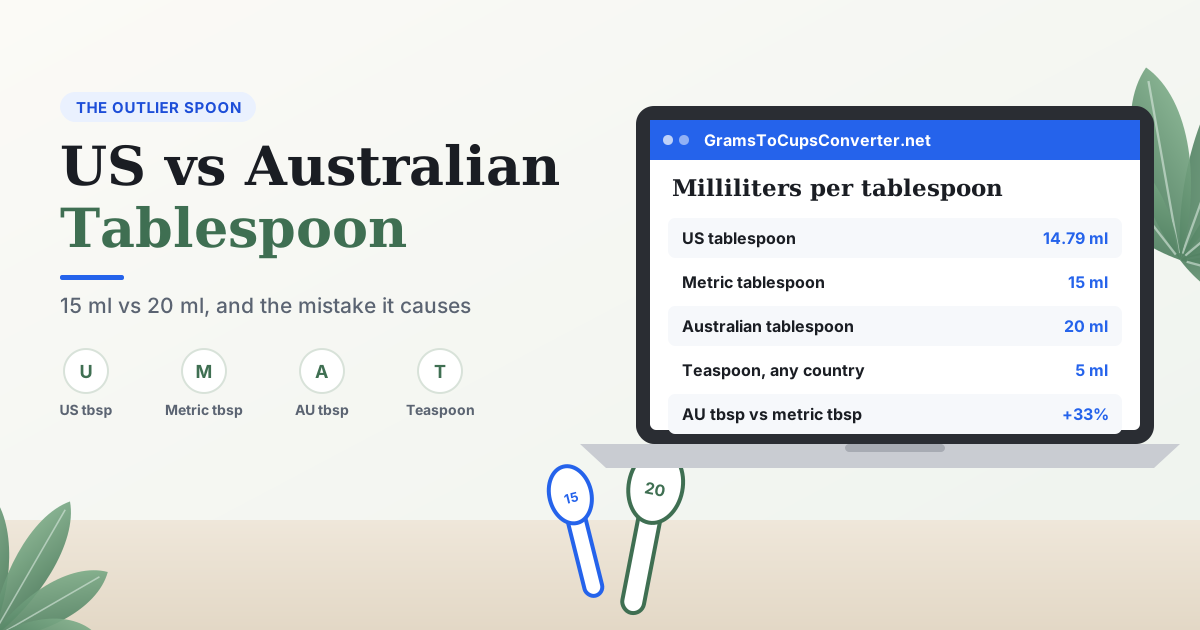
The Outlier Spoon
US vs Australian Tablespoon: 15 mL vs 20 mL Explained
The Australian tablespoon is 20 ml, not 15. See the exact US and metric tablespoon sizes in ml, worked examples, and how to convert between them.
same word, 5ml apart Read the guide → 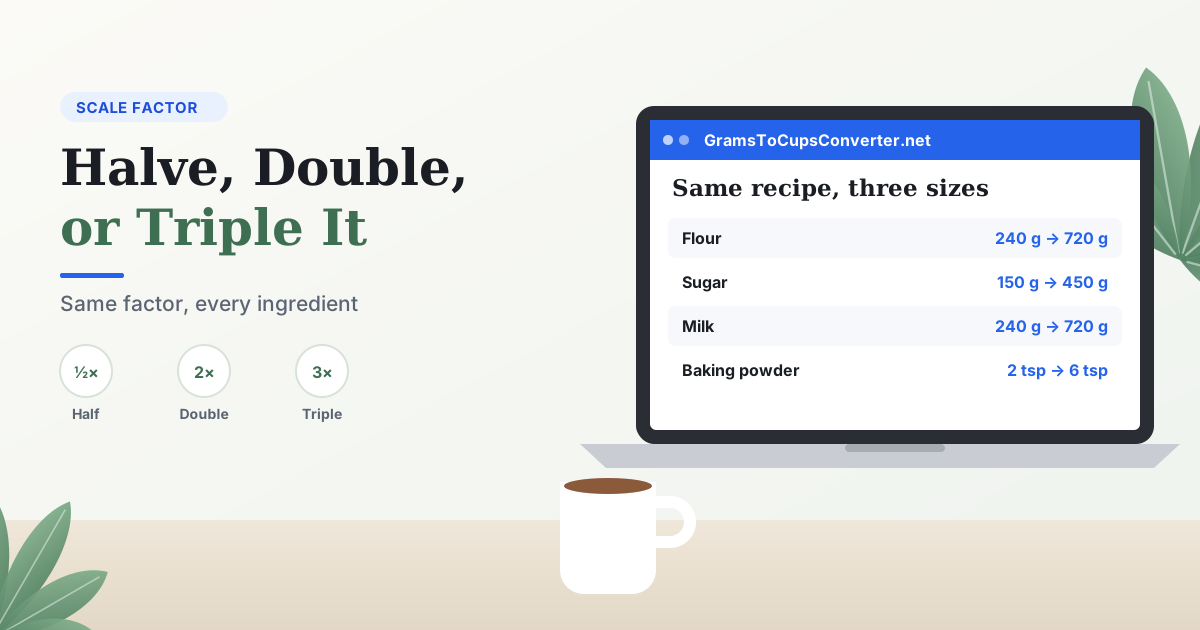
The scale factor
How to Halve, Double or Triple a Recipe: Measurement Conversion Chart
Multiply every ingredient by the same factor to halve, double, or triple a recipe. Fraction and tablespoon conversion tables, eggs, and leaveners covered.
⅓ cup tripled is 1 cup Read the guide → 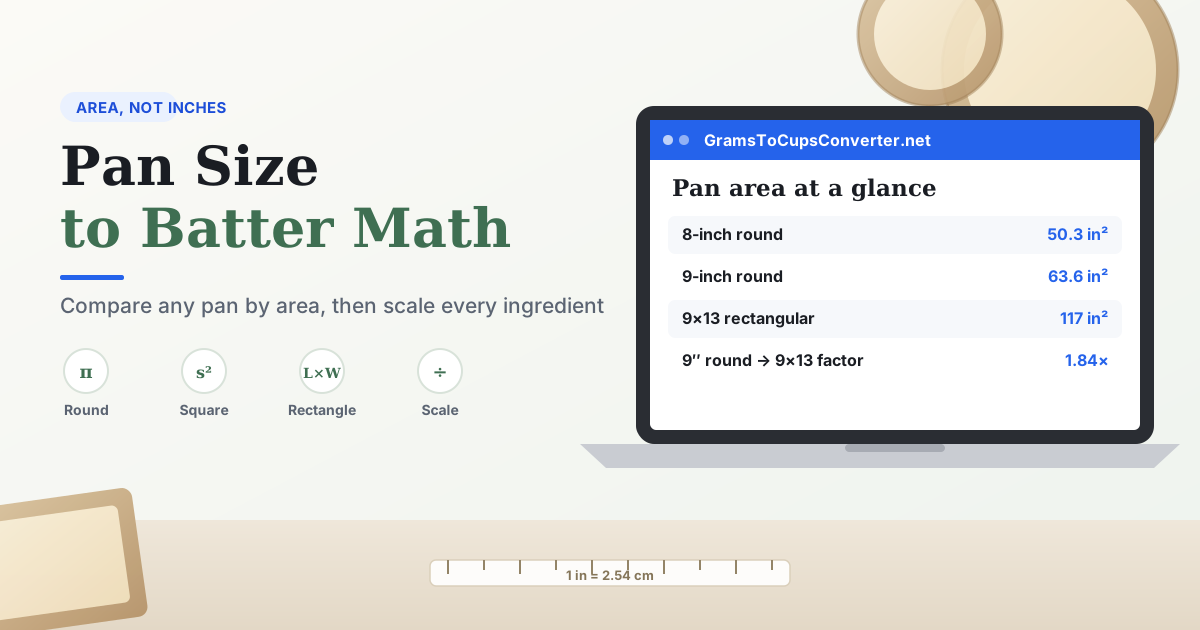
The area rule
Baking Pan Size Conversion Chart: How to Scale Recipes for Different Pans
Learn how to convert any baking pan size using area, not diameter, with the round, square, and rectangular pan formulas plus worked examples.
63.6 in² vs 50.3 in², a 26.6% jump Read the guide → 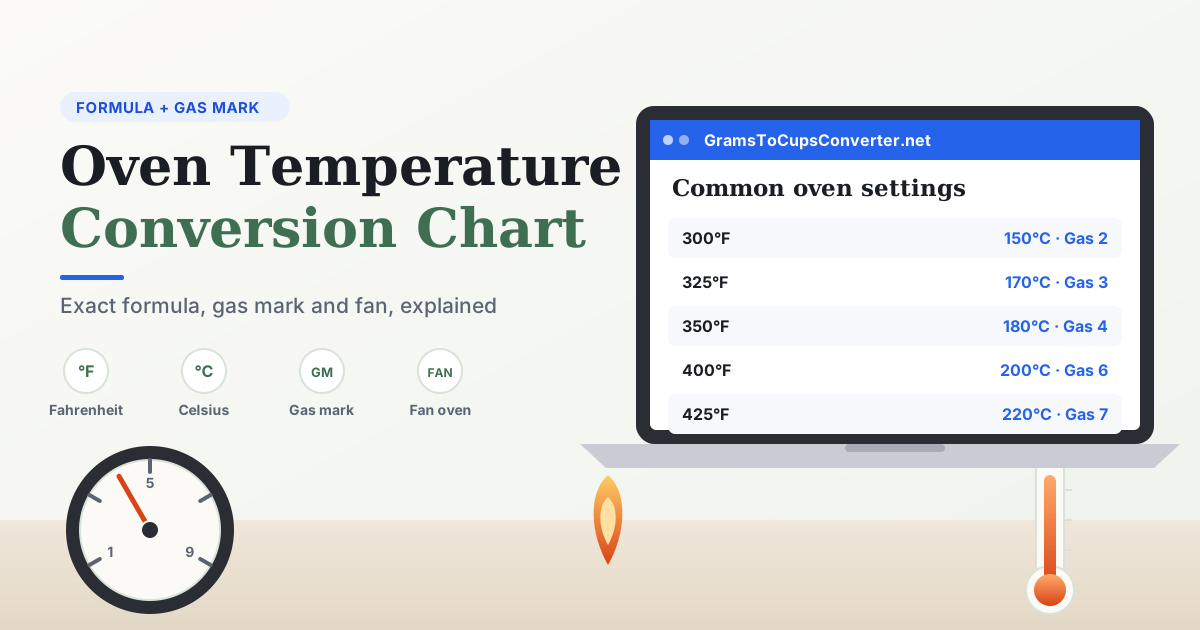
Formula vs dial
Oven Temperature Conversion Chart: Fahrenheit, Celsius, Gas Mark & Fan Oven
Convert oven temperatures between Fahrenheit, Celsius, and gas mark with the exact formula, a full chart, and the fan-oven adjustment rule of thumb.
350°F prints as 180°C, not 176.7°C Read the guide → 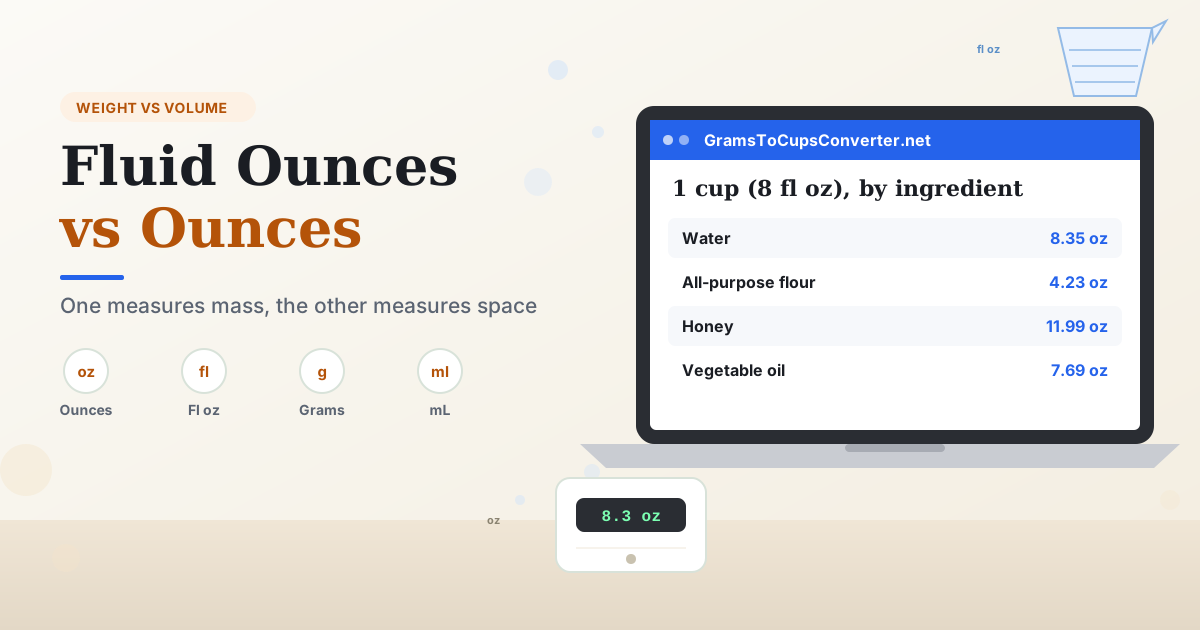
Weight vs volume
Fluid Ounces vs Ounces: Volume vs Weight in Recipes
Ounces measure weight and fluid ounces measure volume, so 8 fl oz of water, flour, and honey each weigh a different amount. See the math for each.
8 fl oz of flour is 4.2 oz Read the guide → 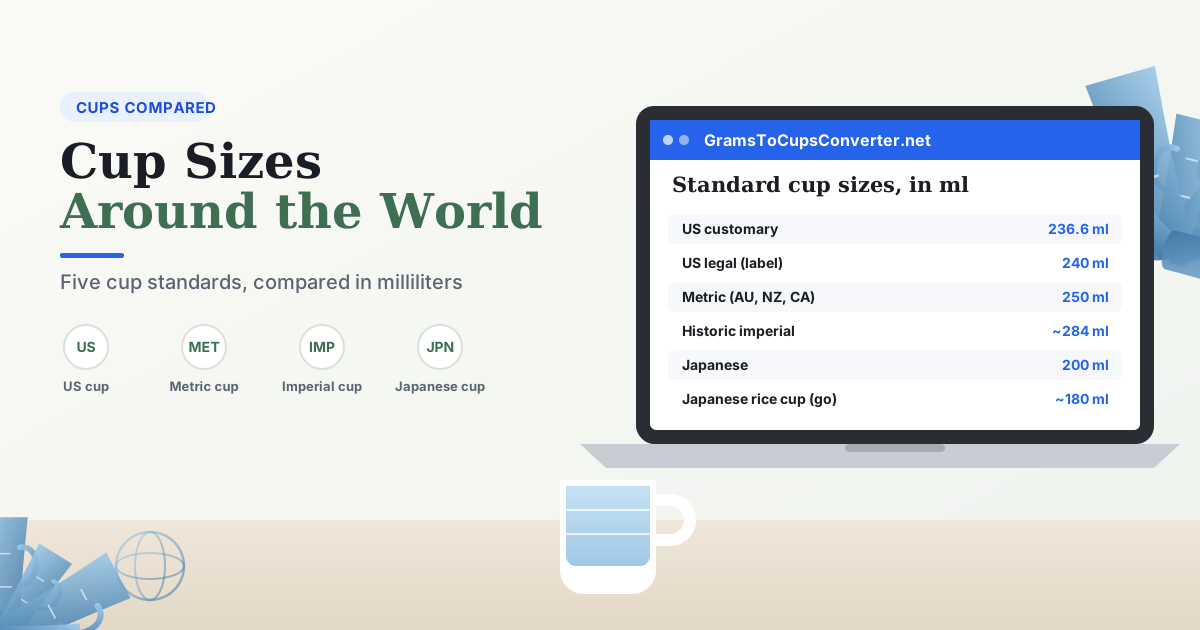
Cup standards
Cup Sizes Around the World: US, Metric, Imperial, Australian & Japanese Cups
Compare US, metric, imperial, Australian, and Japanese cup sizes in milliliters, with worked baking examples showing why cup standards affect your results.
same word, 84 ml apart Read the guide → 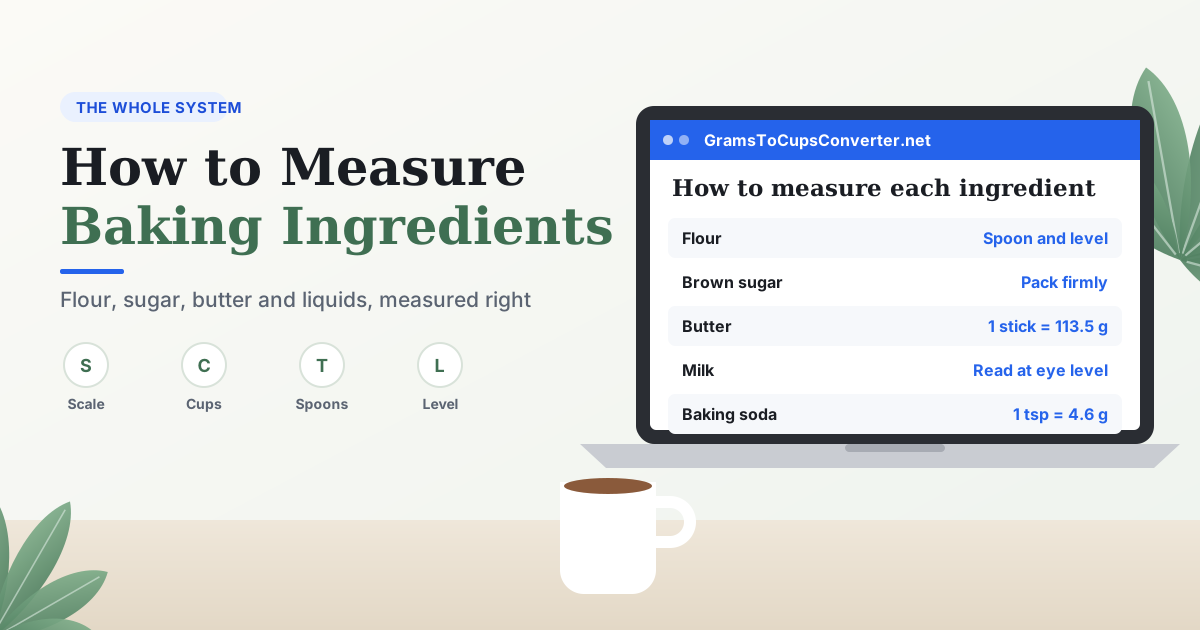
The whole system
How to Measure Baking Ingredients Accurately: Flour, Sugar, Butter and Liquids
How to measure flour, sugar, butter, liquids, syrups, salt, and leaveners accurately, with a kitchen scale or with dry cups, liquid cups, and level spoons.
weigh first, level the rest Read the guide → 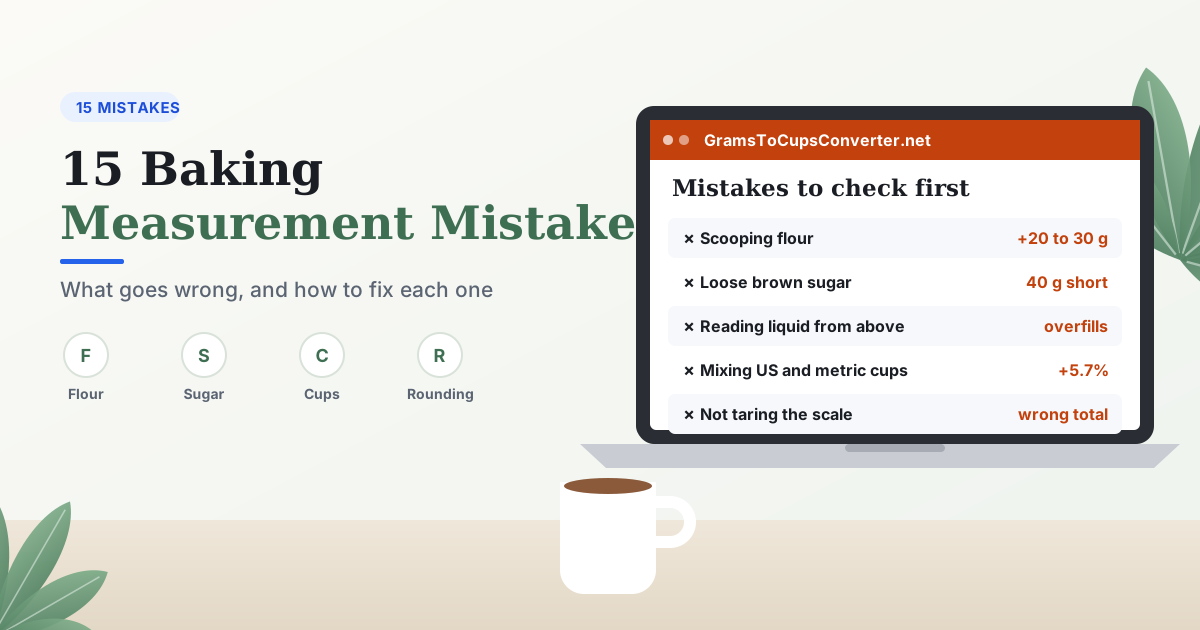
15 mistakes
15 Baking Measurement Mistakes That Can Ruin a Recipe
15 common baking measurement mistakes, from scooped flour and heaped spoons to mixed cup standards and early rounding, with why each matters and how to fix it.
it wasn't the oven Read the guide →